
Packaging has one job that cannot be compromised: protect the product. But today, businesses also expect packaging to use materials efficiently, support sustainability goals, and make disposal straightforward for the customer. That has many companies comparing corrugated shipping boxes with plastic packaging.
Plastic can be useful in specialized applications, particularly where moisture resistance, sanitation or repeated closed-loop use is essential. Yet for many shipping applications, corrugated packaging offers a strong combination of protection, customization, renewable fiber and an established recycling system. The right choice depends on the product and the full packaging lifecycle—not a single claim on a label.
Corrugated vs. Plastic Containers
Reusable plastic containers, or RPCs, can perform well in tightly managed systems where containers are returned, washed, and reused many times. However, their benefits depend on return rates, transportation distances, cleaning requirements, loss, and damage. If the loop is not truly closed, the real-world outcome may differ from the plan.
Corrugated boxes generally require no return trip. They can be delivered flat, formed when needed, customized for the product, and recovered through widely available recycling programs. For one-way distribution, e-commerce and shipments to many destinations, that simplicity can be a major operational advantage.
What Makes Corrugated Packaging Different?
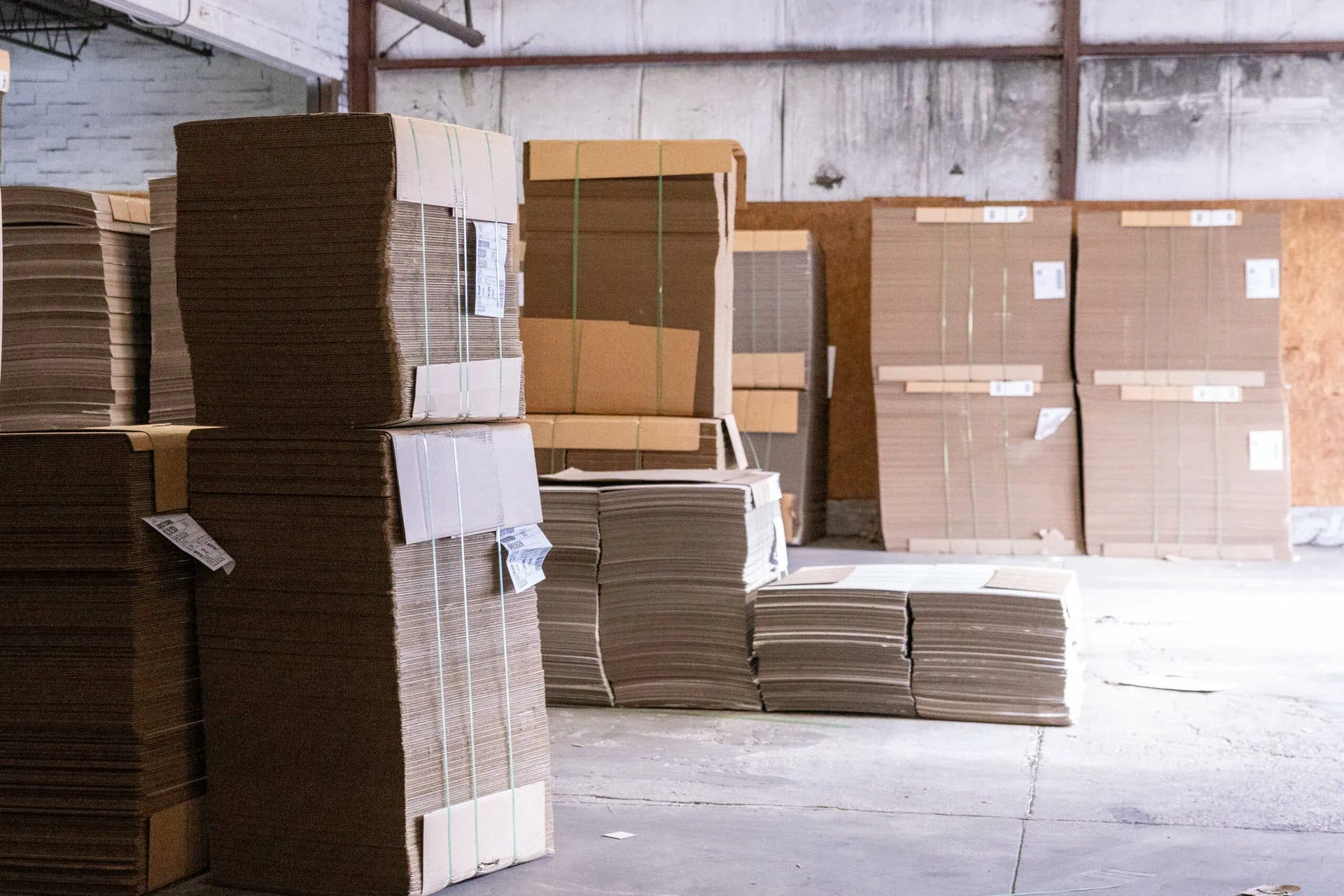
Corrugated board is a paper-based material made with a fluted medium between linerboard layers. That structure creates strength without excessive weight, allowing a box to cushion products, stack efficiently, and withstand the demands of storage and transportation.
Unlike petroleum-based plastic, corrugated packaging is primarily made from renewable wood fiber and recovered paper. According to the Fibre Box Association, corrugated packaging supports a circular system in which used boxes are collected, and their fibers are incorporated into new products.
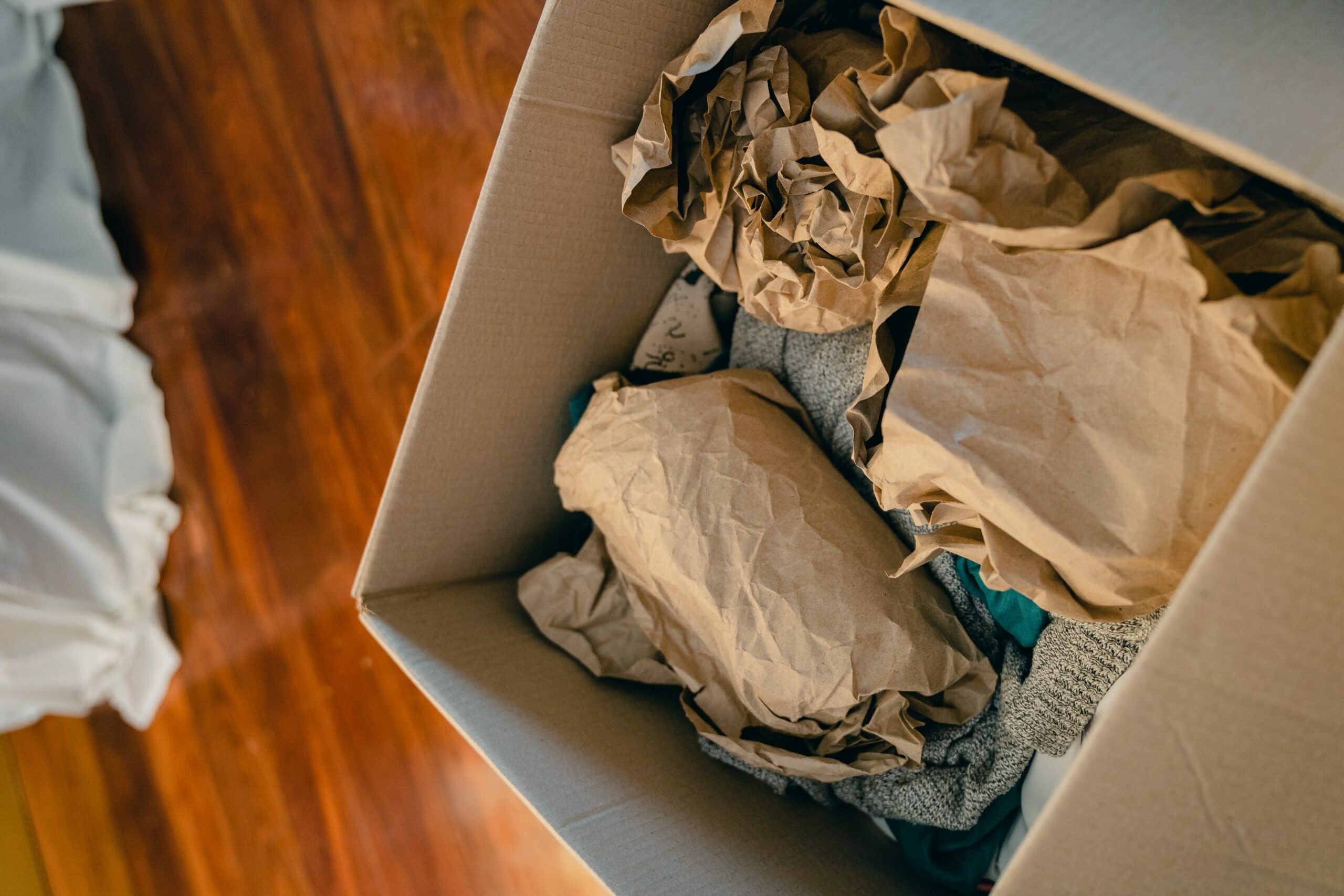
Corrugated packaging can also be reused before recycling. A clean, undamaged box may serve for returns, transfers or another shipment. At the end of its useful life, customers can flatten it, remove non-paper materials as required locally and place it in an accepted recycling stream.
Five Business Benefits of Corrugated Shipping Boxes
1. Product protection. Board grade, flute profile, and box style can be engineered around weight, fragility, stacking, and transit conditions.
2. Right-sizing. Custom dimensions reduce empty space, unnecessary filler, and dimensional-weight exposure.
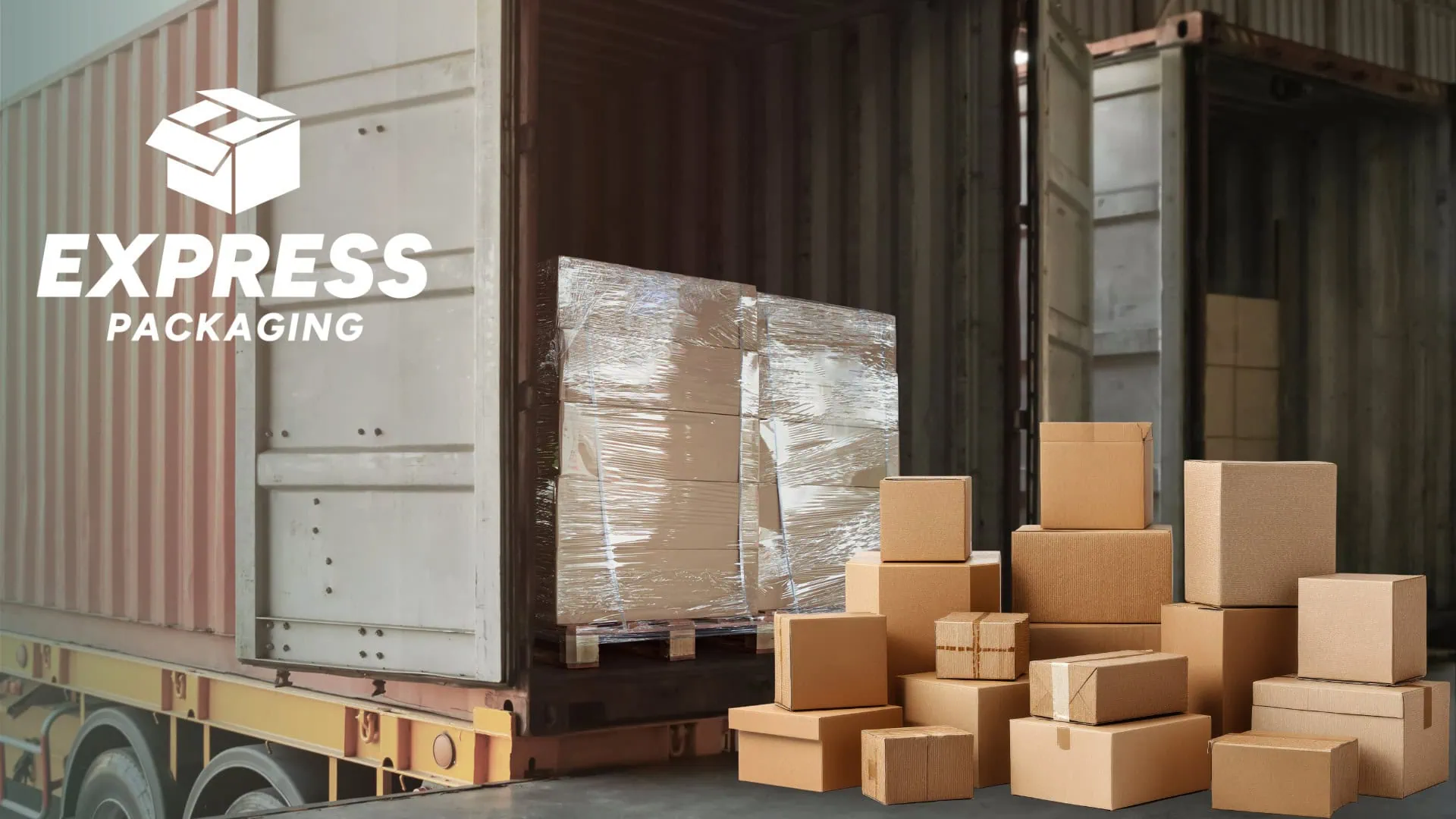
3. Efficient handling. Corrugated boxes ship flat, are lightweight and can be designed for faster packing, palletizing, and storage.
4. Brand communication. Printing can carry logos, instructions, sustainability messaging, and a memorable unboxing experience.
5. Familiar end-of-life. Customers generally know to empty, flatten, and recycle clean corrugated boxes where local programs accept them.
Why Businesses Are Rethinking Plastic Packaging
Plastic pollution is a persistent environmental problem. When plastic packaging escapes collection systems, it can remain in the environment, break into smaller pieces, and harm marine ecosystems. The U.S. Environmental Protection Agency also reports that plastics accounted for more than 18% of municipal solid waste landfilled in 2018, while corrugated boxes were the largest recycled material category by tonnage.
Consumers, retailers, and policymakers are responding with plastic-reduction goals, packaging rules, and growing scrutiny of unnecessary materials. For businesses, this creates both pressure and opportunity: reduce packaging waste while choosing a format customers already understand how to recycle.
Recyclable and Renewable—With Important Qualifications
Terms such as recyclable, renewable and biodegradable packaging are related, but they are not interchangeable. Clean, uncoated corrugated fiber can break down under suitable environmental conditions, but coatings, waxes, adhesives, food residue, and plastic components may affect whether a package can be recycled or how it decomposes.
That is why sustainable packaging decisions should consider the complete design. A right-sized corrugated box with fiber-based inserts may reduce excess material and void fill. Clear disposal instructions can help customers recycle correctly. Eliminating unnecessary laminates or mixed-material components can make the package easier to recover.
How to Choose the Right Packaging Material
Start with performance. Identify the product’s weight, dimensions, fragility, moisture sensitivity, shipping method, and number of handling points. Then compare materials using the same boundaries: raw materials, manufacturing, transportation, reuse, recovery, and disposal.
For many products, custom corrugated boxes can reduce material while improving protection. Express Packaging can evaluate box style, board strength, dimensions, inserts, and printing to create packaging that fits the product and the distribution system.
Build a Smarter Corrugated Packaging Solution
Switching from plastic is not about replacing one material with another everywhere. It is about choosing the lowest-impact solution that reliably does the job. When corrugated packaging meets the performance requirements, its renewable fiber, versatility, reuse potential, and established recycling pathway make it a compelling choice.
Express Packaging manufactures stock and custom corrugated shipping boxes for businesses throughout the Southeast. Call 912.653.2800 or request a quote to discuss a packaging solution designed around your product, operations, and sustainability priorities.
Frequently Asked Questions
Is corrugated packaging more sustainable than plastic packaging?
For many one-way shipping applications, corrugated packaging can offer advantages because it is made primarily from renewable fiber, is reusable, and has an established recycling system. The best choice still depends on product protection, transportation, recovery and the full lifecycle.
Is corrugated cardboard biodegradable?
Clean, uncoated corrugated fiber can break down under suitable conditions. Coatings, waxes, adhesives, contamination and mixed materials can change the answer, so businesses should evaluate the complete package rather than the fiber alone.
Can corrugated boxes be reused?
Yes. Boxes that remain clean, dry and structurally sound may be reused for returns, storage or additional shipments before recycling.
How can custom corrugated boxes reduce packaging waste?
A box designed for the product can reduce excess space and filler while providing the strength needed for shipping. Right-sizing may also improve pallet and warehouse efficiency.
Related Blogs
Is Cardboard Biodegradable? A Look at Sustainable Corrugated Packaging
What’s the Difference Between Corrugated and Non-Corrugated Cardboard Boxes?
Related Posts