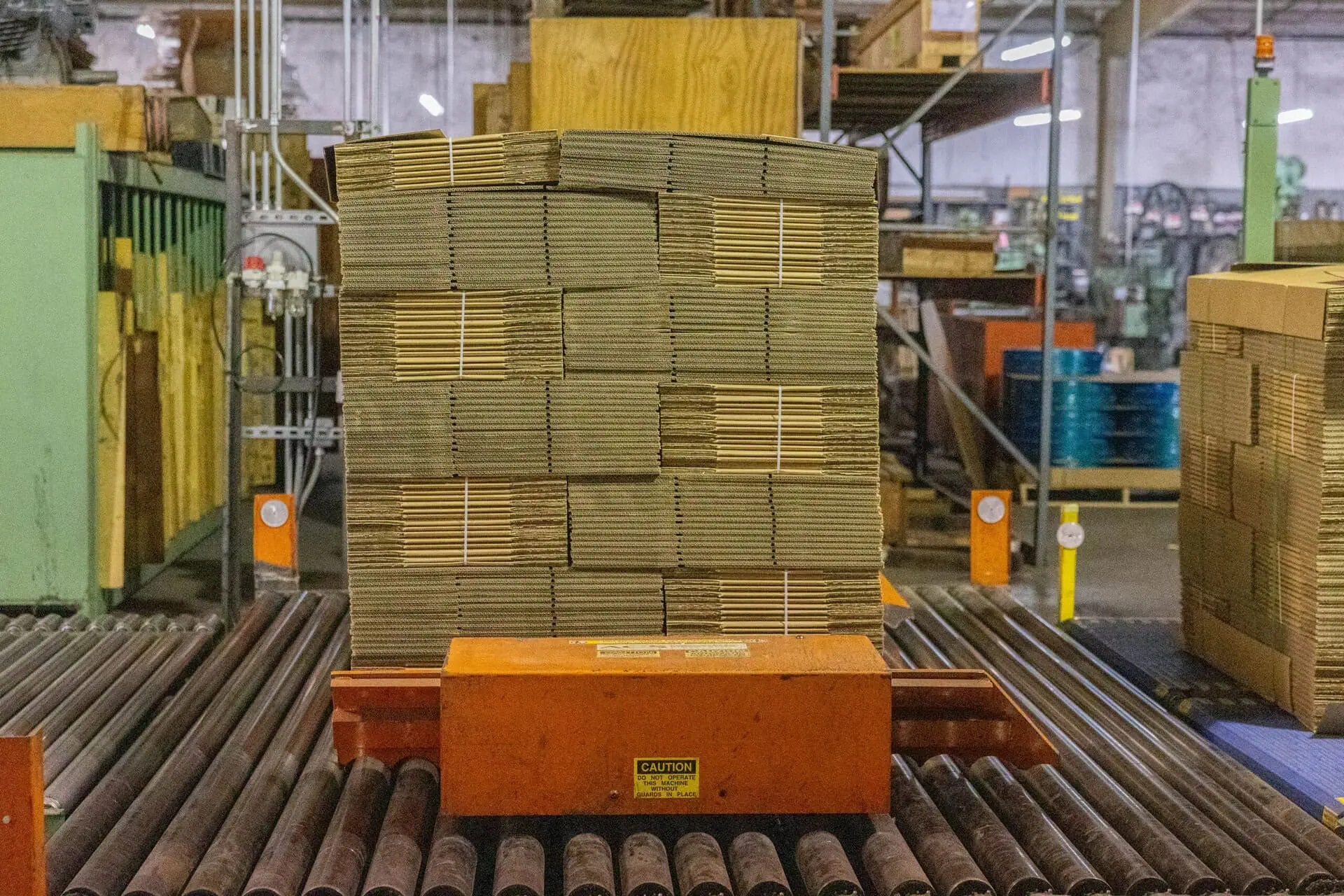
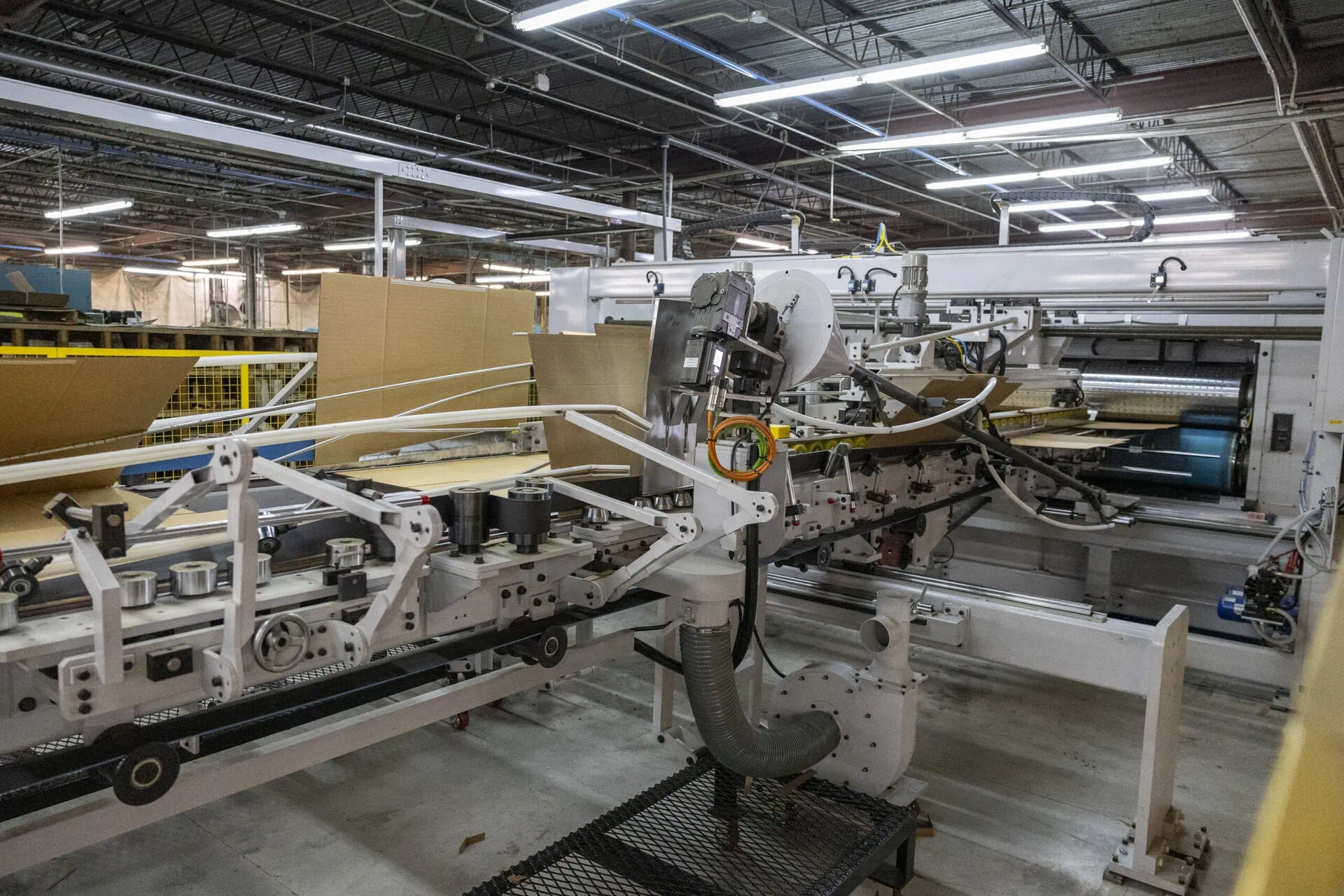
A supply chain succeeds when the right product reaches the right destination, at the right time, in sellable condition and at a sustainable cost. Corrugated shipping boxes help make that possible every day. They protect products, support efficient handling, and connect manufacturers, warehouses, retailers, and customers across thousands of miles.
Their role has become even more important as businesses manage volatile demand, tighter delivery expectations, and more direct-to-consumer shipments. Supply chain resilience is not built on a single solution. It comes from practical decisions—including packaging that can adapt when products, order volumes, and distribution channels change.
Packaging Connects Every Link in the Supply Chain
Corrugated packaging enters the process before a product leaves the facility and remains with it through storage, palletization, transportation, sorting, and final delivery. If a box fails, the impact can travel backward and forward: damaged inventory, labor spent repacking, replacement shipments, customer-service costs, and lost trust.
That is why the Fibre Box Association calls corrugated boxes the backbone of the American supply chain. Their structure can be engineered for a product’s weight, fragility, stacking requirements, and route to market.
The Shift From Pallets to Doorsteps
Traditional retail distribution often moves many units together from a manufacturer to a distribution center and then to a store. E-commerce breaks those shipments into smaller orders headed to far more destinations. Each package may encounter conveyors, trucks, sorting facilities, doorsteps, and weather along the way.
That changes the job of the box. It must protect a single order through more touchpoints, use space efficiently, and arrive looking like part of the brand experience. A corrugated shipper is no longer invisible backroom equipment; it may be the first physical contact a customer has with the company.
How Corrugated Packaging Builds Supply Chain Resilience
1. It can be engineered around the product.
Custom corrugated boxes can be sized and strengthened for specific products. The right board grade, flute, box style and internal protection help reduce movement and damage without automatically adding more material.
2. It supports operational efficiency.
Boxes delivered flat require less storage space before use. Designs can be optimized for quick setup, packing lines, pallet patterns and warehouse flow. Right-sizing can also reduce void fill and improve cube utilization.
3. It adapts to changing channels.
The same product may need different packaging for palletized wholesale delivery, retail display, subscription fulfillment or individual parcel shipment. Corrugated can be configured for each channel without forcing one package to do every job poorly.
4. It helps control the cost of damage.
The least expensive box is not always the lowest-cost packaging system. A package that prevents breakage, returns, rework, and replacement freight may create more value than a cheaper design that fails in transit.
5. It supports communication.
Printed boxes can carry handling instructions, product information, recycling guidance, and brand messaging. Clear information helps warehouse teams, carriers, and customers know how to handle the package and what to do with it after delivery.
Visibility Starts With Better Packaging Data
Greater supply chain visibility is not limited to software dashboards. Packaging specifications are useful operational data. Businesses should know which box is used for each SKU, how much empty space remains, where damage occurs, how efficiently cases stack, and whether order changes create shortages or excess inventory.
A practical packaging review can track damage rates, packing time, material usage, dimensional weight, pallet utilization, and customer feedback. Those measurements reveal where a stronger board grade, different style, or custom size may improve performance.
Right-Sizing for Efficiency and Sustainability
Oversized packaging wastes more than cardboard. It can require additional filler, occupy more trailer and warehouse space, and expose products to movement. A right-sized box balances protection with efficient material use.
Corrugated also fits a circular material system. Businesses can specify recyclable designs, reduce unnecessary mixed materials and add clear instructions encouraging customers to empty, flatten, and recycle boxes through local programs.
Plan Packaging Before Demand Spikes
Packaging becomes a bottleneck when it is treated as a last-minute purchasing item. Forecast box demand alongside product demand, identify critical sizes, understand production lead times, and maintain open communication with your packaging supplier. For seasonal or promotional volume, confirm specifications and quantities early enough to allow for design, testing, production, and delivery.
It is also wise to reduce unnecessary box variety. Standardizing where practical can simplify purchasing and inventory, while custom designs should be reserved for products or channels where the performance and efficiency gains justify them.
Strengthen Your Supply Chain With the Right Box
Every reliable delivery begins with a package designed for the journey. Express Packaging produces stock and custom corrugated boxes to help businesses protect products, improve packing efficiency, and respond to changing distribution needs.
Whether you are preparing for growth, adding an e-commerce channel, or addressing shipping damage, our team can help evaluate the box as part of the entire supply chain—not just as a commodity. Call 912.653.2800 or request a quote to start the conversation.
Frequently Asked Questions
Why are corrugated boxes important to the supply chain?
They protect products through storage, handling, and transportation while supporting efficient packing, stacking, identification, and delivery.
How can custom corrugated boxes improve efficiency?
Custom sizing and structure can reduce empty space, filler, product movement and packing time while improving pallet and warehouse utilization.
What should businesses review before peak demand?
Review forecasts, box specifications, critical inventory, supplier lead times and contingency plans. Confirm seasonal needs early enough for design, testing and production.
Can corrugated packaging support e-commerce?
Yes. Corrugated can be designed for single-unit parcel shipping, product protection, right-sizing, returns and a branded doorstep experience.
Related Blogs
Related Posts